Software Development Services in Ontario
Custom Software & SaaS Development for Growing Businesses
Stop fighting software that does not fit your business. Supreme Line engineers custom web applications, operational platforms, internal business tools, and scalable SaaS MVPs built around daily operations, secure user access, cleaner workflows, and stronger data control across Ontario, Toronto, the GTA, and Niagara Region.

Software planning, workflow strategy, development, integrations, and support from one Ontario-based team.
Build Plan
How We Turn Your Software Request Into a Clear Build Plan

Software Development Services
Three Ways We Build Business Software
Every software project starts with a business problem: work is hard to track, customers are hard to manage, or the company needs a platform that does not exist yet. We group software development into three clear paths so your project can be scoped around what the business actually needs.
Internal Business Tools Development
Private tools for teams that need better dashboards, task tracking, forms, reports, approvals, staff workflows, and internal data management.
Explore Internal System Features → For Customer & Staff-Facing PlatformsCustom Web Applications & Operational Platforms
Browser-based platforms with secure accounts, client portals, booking flows, payments, admin controls, API integrations, and connected workflows.
See Web Application Capabilities → For Founders & Platform BusinessesFull SaaS MVPs / Marketplaces Development
Commercial software platforms built for scale. Includes subscription billing, multi-tenant user roles, vendor marketplaces, and a phased roadmap for launch.
Review SaaS MVP Framework →Custom Internal Business Tools Development
Replace Manual Workarounds With a System Built Around Your Operations
Custom internal business tools eliminate the operational friction slowing your staff down. When fragmented software, rigid spreadsheets, and endless email threads stall your daily workflow, we build private, centralized applications tailored to your exact business logic. Supreme Line architects unified workspaces that connect your data, automate repetitive tasks, and scale alongside your operations.
Core operational capabilities included:
- Internal dashboards: Real-time data views built for management, staff oversight, and daily operational decisions.
- Custom digital forms: Structured data intake that replaces scattered email chains and manual request tracking.
- Automated workflows: Logic-driven task routing, file handling, reminders, approvals, and repeated business steps.
- Granular staff permissions: Role-based access control to protect sensitive company data and limit what each user can see or change.
- Advanced reporting: Operational reports, data exports, searchable records, and database structures built around how the business works.
Industries We Work With
Software Systems for Different Industries
Different industries need different software logic. A realtor does not manage work the same way as a restaurant, clinic, hotel, delivery company, school, or nonprofit. Supreme Line plans, customizes, and builds software systems around the industry workflows, customer actions, data, and operational needs behind each business model.
Industries We Work With
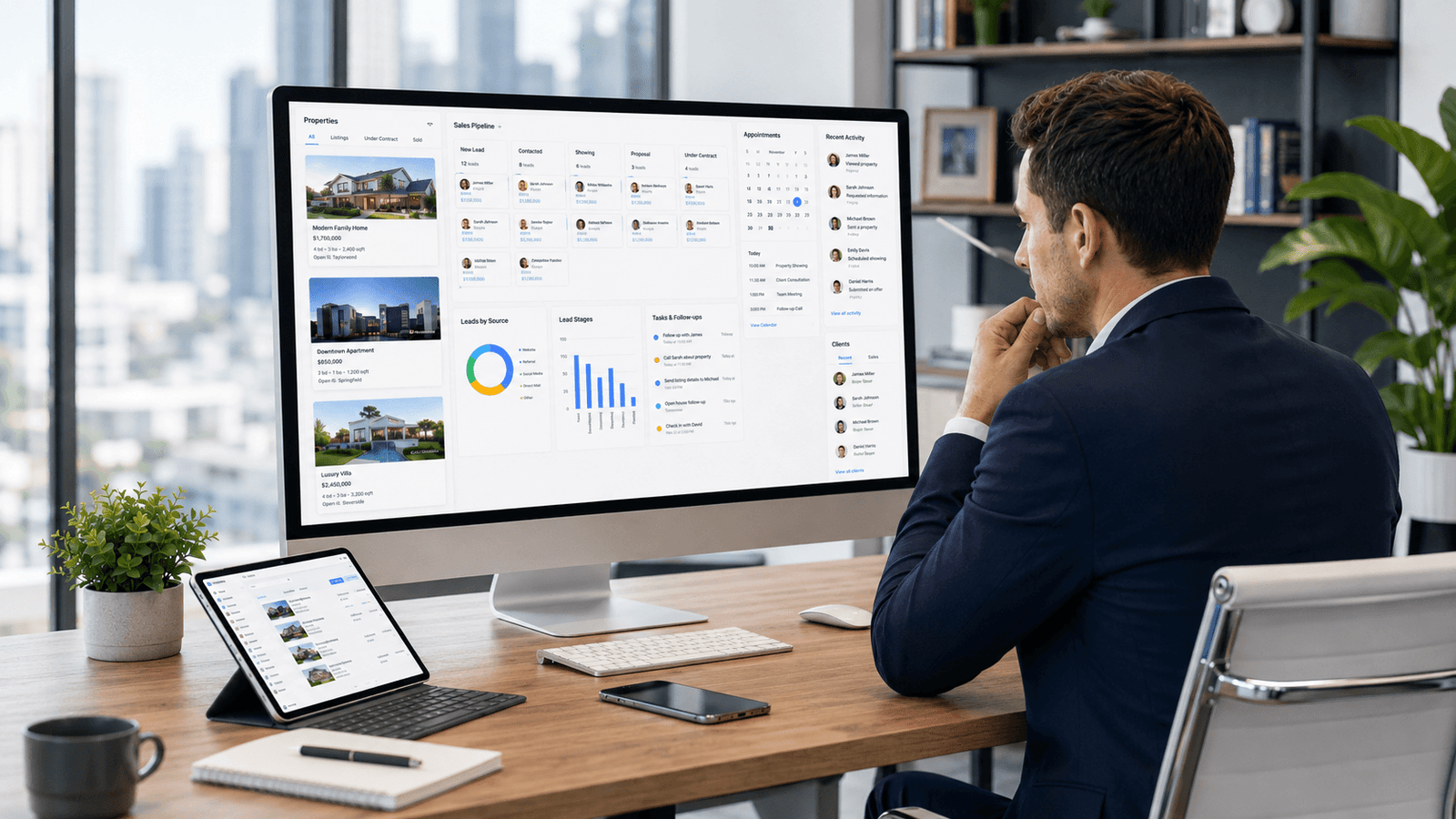
Real Estate and Realtor Software
Real estate teams may need software for listings, leads, agents, buyers, sellers, showings, follow-ups, property data, and client communication. Supreme Line can help review whether an existing source code base can be customized or whether a custom system makes more sense.
Examples of real estate software a brokerage or realtor team may be interested in include:
Industries We Work With
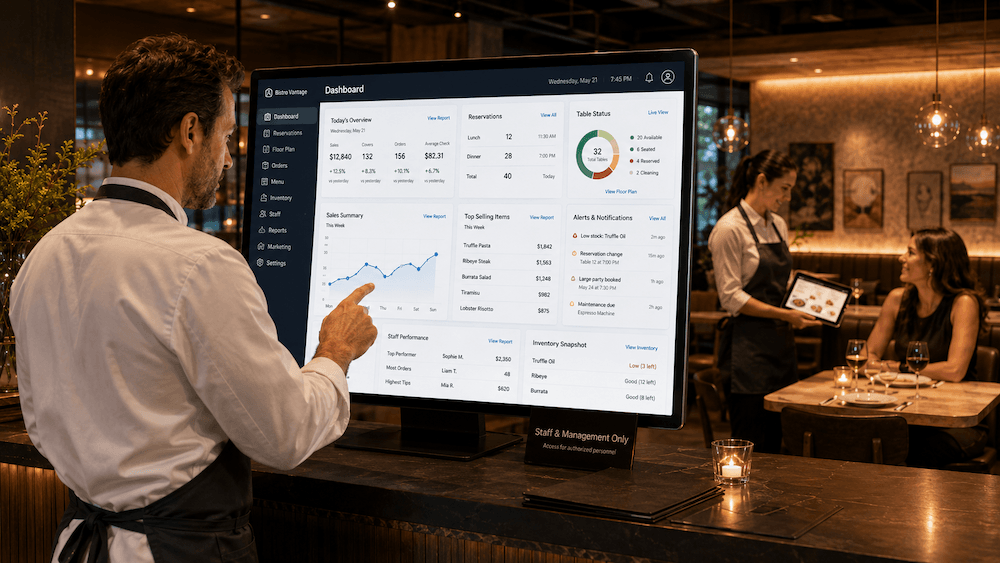
Restaurant and Food Management Software
Restaurants, cafes, catering companies, and food brands often need systems for menus, orders, reservations, inventory, customers, staff, and delivery workflows. The right software can reduce manual order handling and create a cleaner customer experience.
Food businesses often look for software examples such as:
Industries We Work With
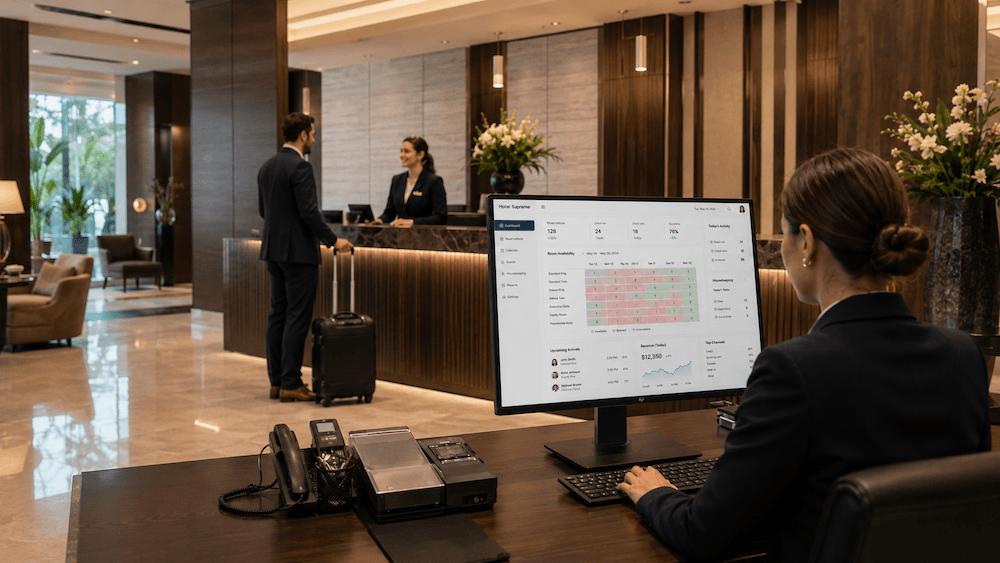
Hotel and Hospitality Software
Hotels, motels, venues, and hospitality businesses may need booking, reservations, room availability, guest communication, payments, amenities, and internal staff workflows managed in one system.
Hospitality teams may be interested in systems like:
Industries We Work With
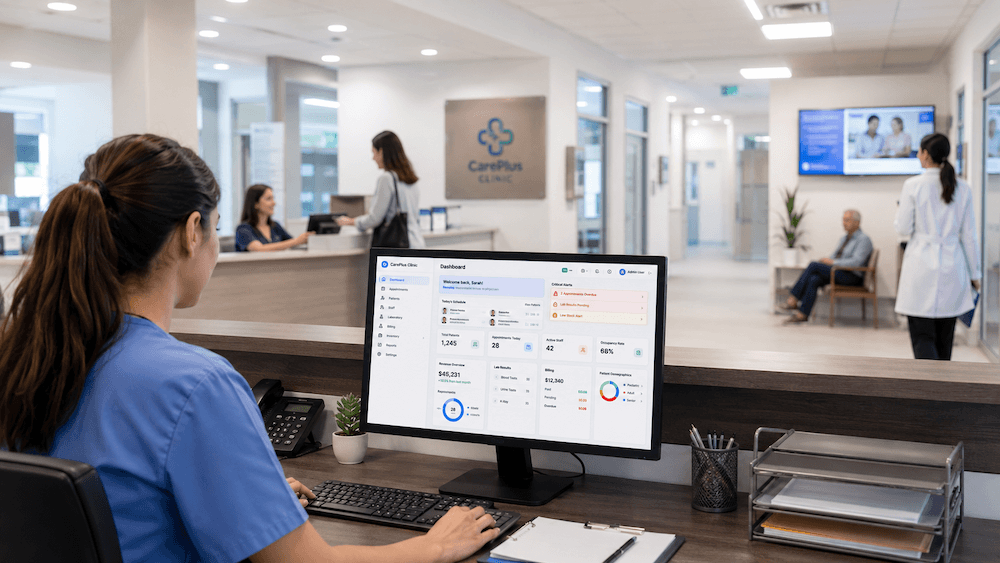
Clinic and Healthcare Software
Clinics and healthcare providers may need appointment requests, patient inquiries, staff dashboards, service workflows, reporting, and privacy-aware data handling. Software planning should support clear access, careful data structure, and smoother patient communication.
Clinic software examples that may fit this direction include:
Industries We Work With
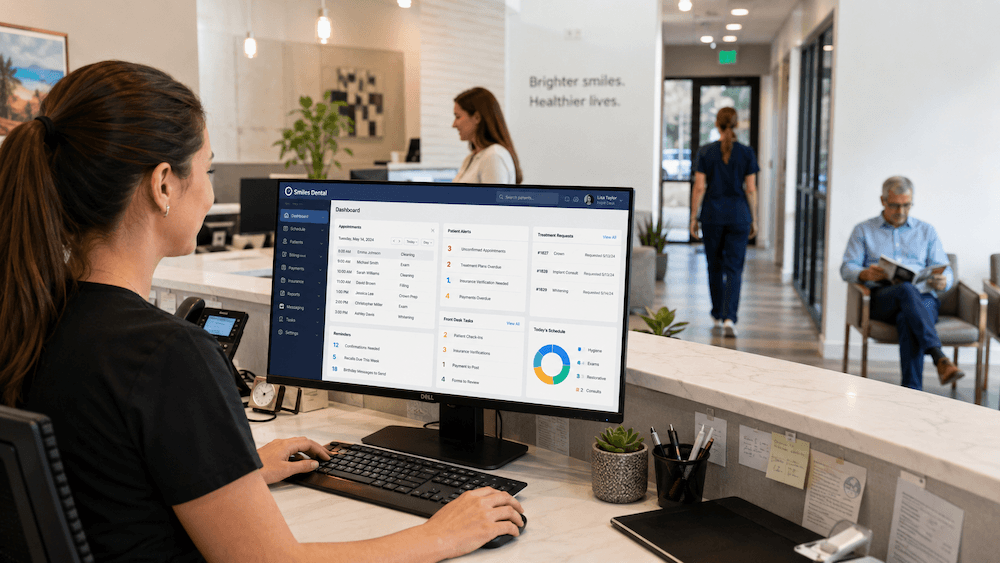
Dental Practice Software
Dental offices may need appointment scheduling, patient records, treatment requests, reminders, staff workflows, and front-desk dashboards. A stronger system can help reduce missed appointments and keep patient communication organized.
Dental offices may be interested in software such as:
Industries We Work With
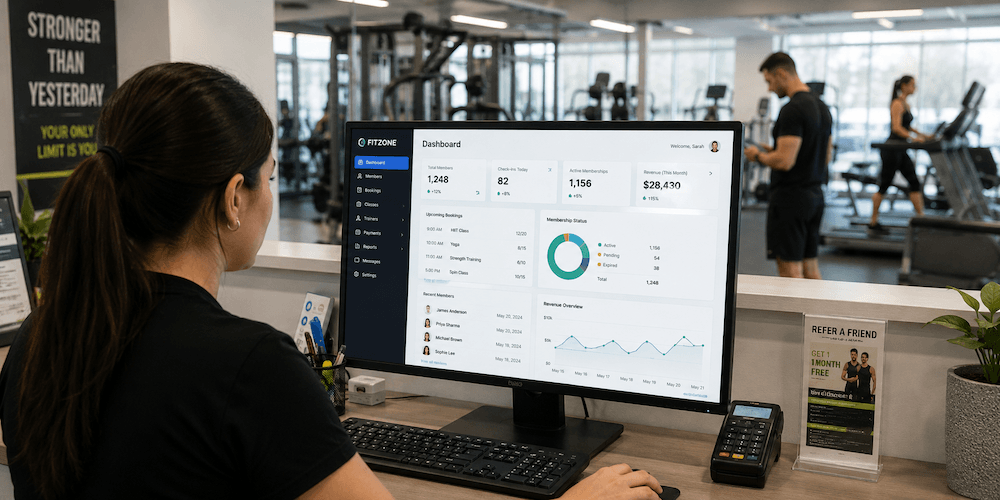
Fitness, Gym, and Membership Software
Gyms, trainers, coaches, and wellness businesses may need membership accounts, booking, payments, class schedules, trainer dashboards, progress tracking, and customer communication.
Fitness and membership businesses often explore systems like:
Industries We Work With
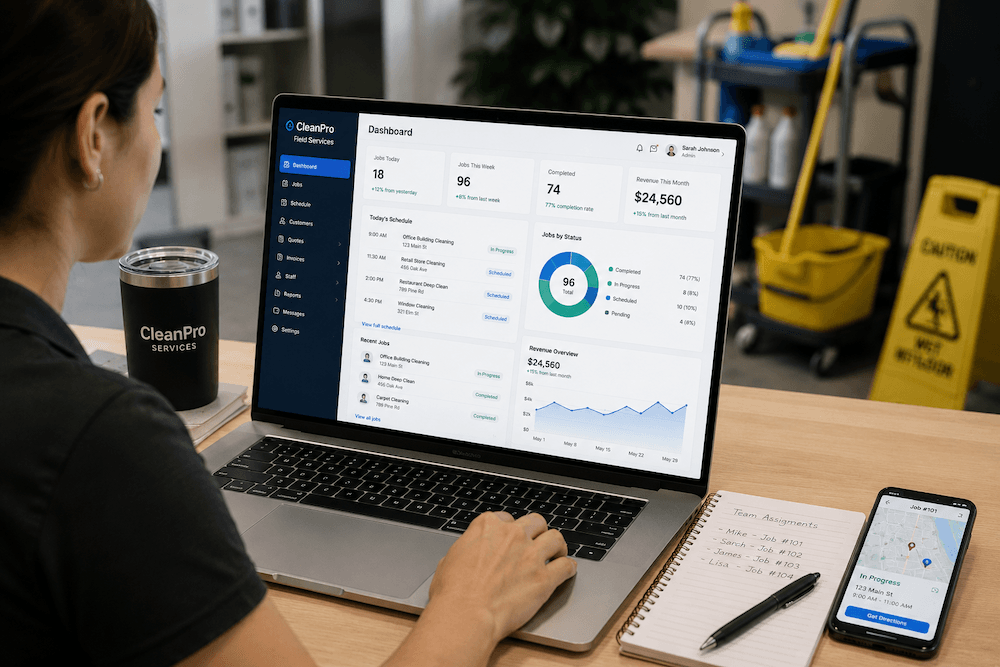
Cleaning and Field Service Software
Cleaning companies and field service teams often need scheduling, quotes, dispatch, job notes, staff assignments, customer updates, invoices, and service reporting.
Cleaning and field service companies may be interested in:
Industries We Work With
Contractor and Trades Software
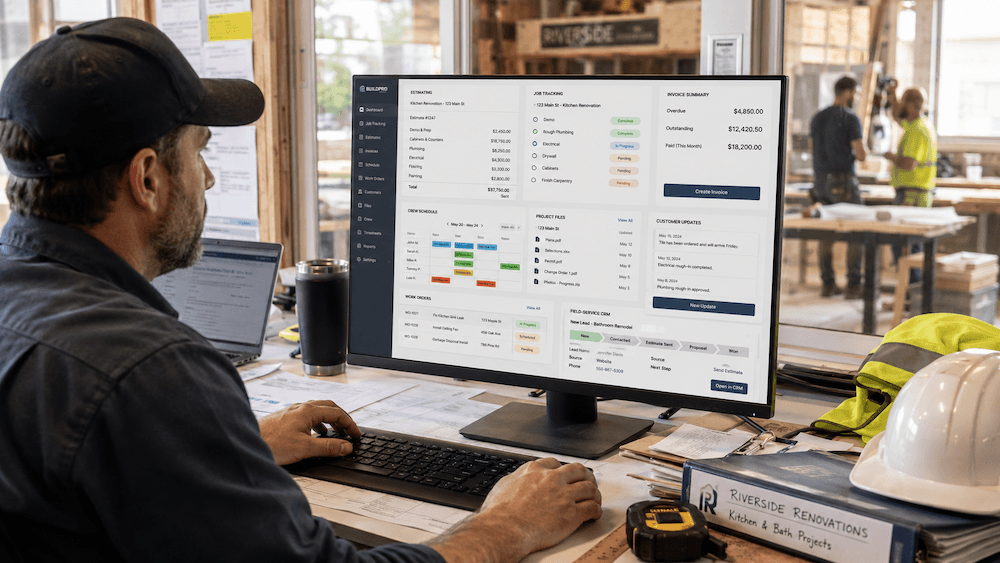
Contractors, renovation companies, and trades may need estimating, job tracking, invoices, crew scheduling, customer updates, project files, and field-service CRM workflows.
Contractors and trades businesses may look for software such as:
Industries We Work With
Locksmith and Emergency Service Software
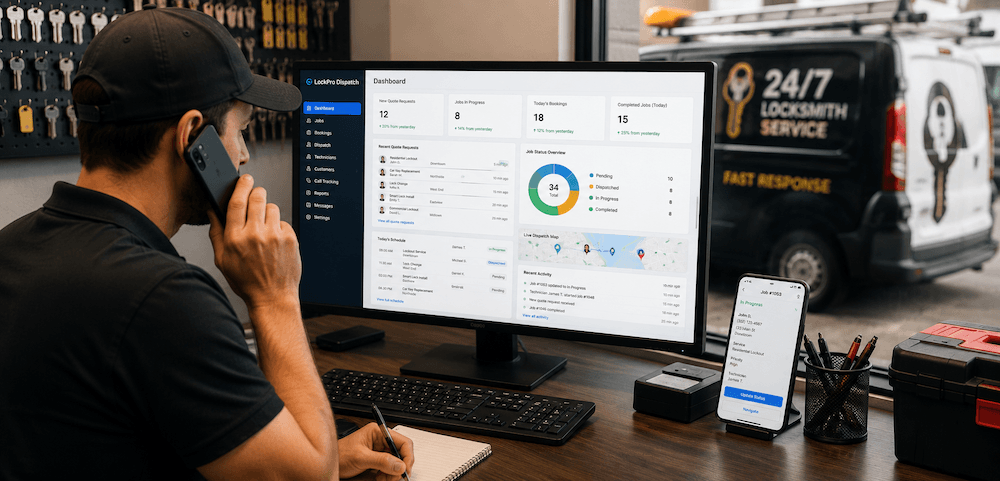
Locksmiths and emergency service providers may need fast quote requests, dispatch workflows, technician assignments, booking, call tracking, job status updates, and customer communication.
Emergency service teams may need systems like:
Industries We Work With
Salon, Spa, and Beauty Software
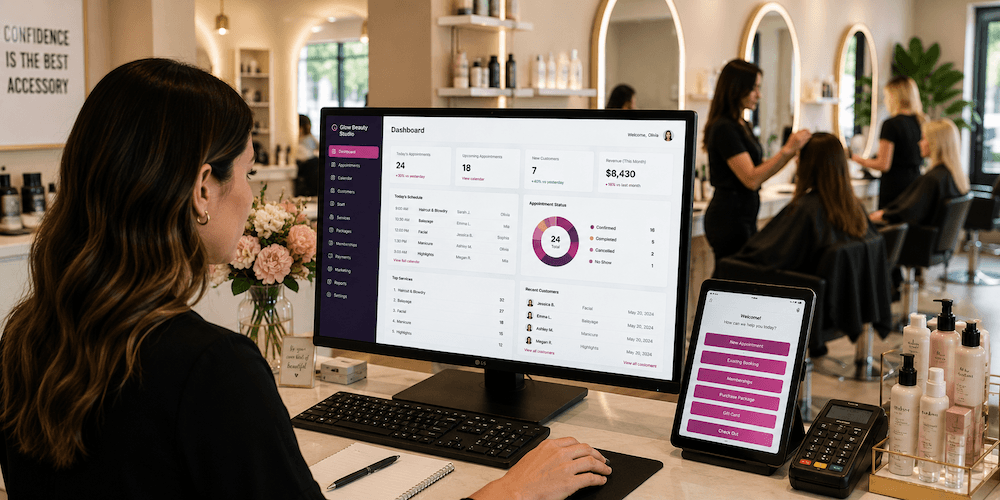
Salons, spas, and beauty businesses may need appointment booking, staff availability, customer profiles, reminders, memberships, payments, and service packages.
Beauty and appointment-based businesses may be interested in:
Industries We Work With
Legal and Law Firm Software
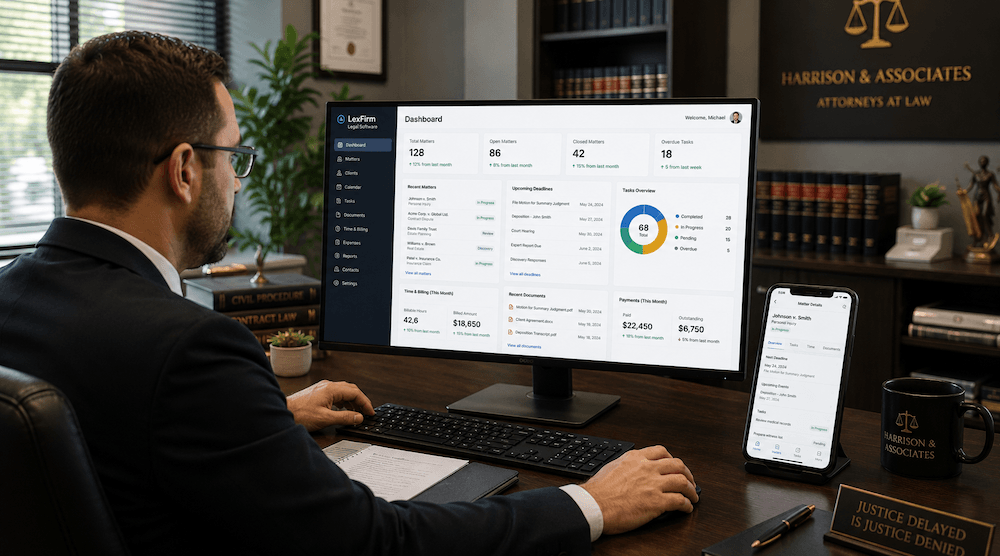
Law firms and legal teams may need case tracking, client intake, document workflows, secure portals, task reminders, billing, and reporting for matter management.
Legal teams may compare software examples such as:
Industries We Work With
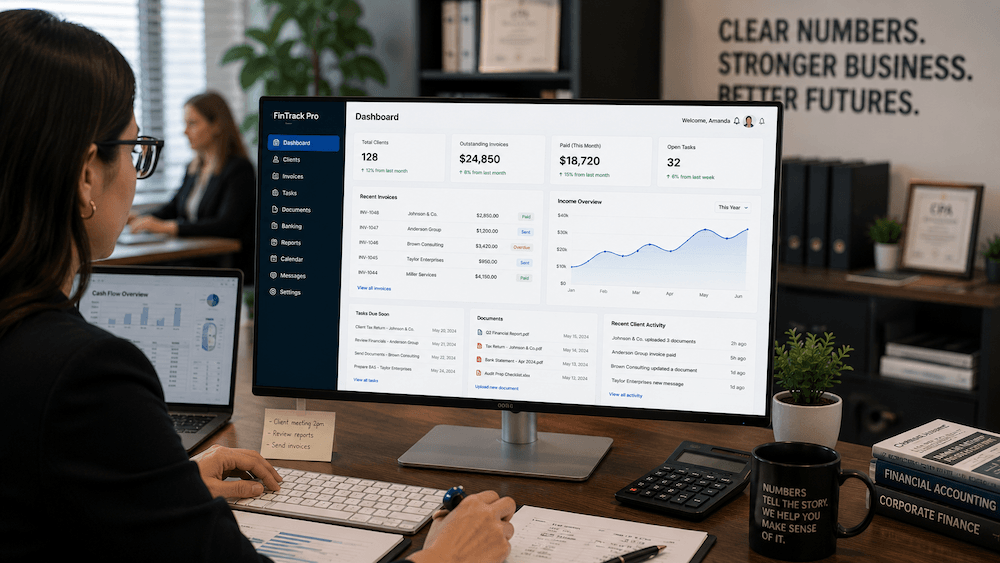
Accounting and Financial Service Software
Accounting firms, bookkeepers, and financial service providers may need client portals, invoice workflows, document uploads, task tracking, reminders, and CRM-style customer management.
Accounting and finance teams may need systems like:
Industries We Work With
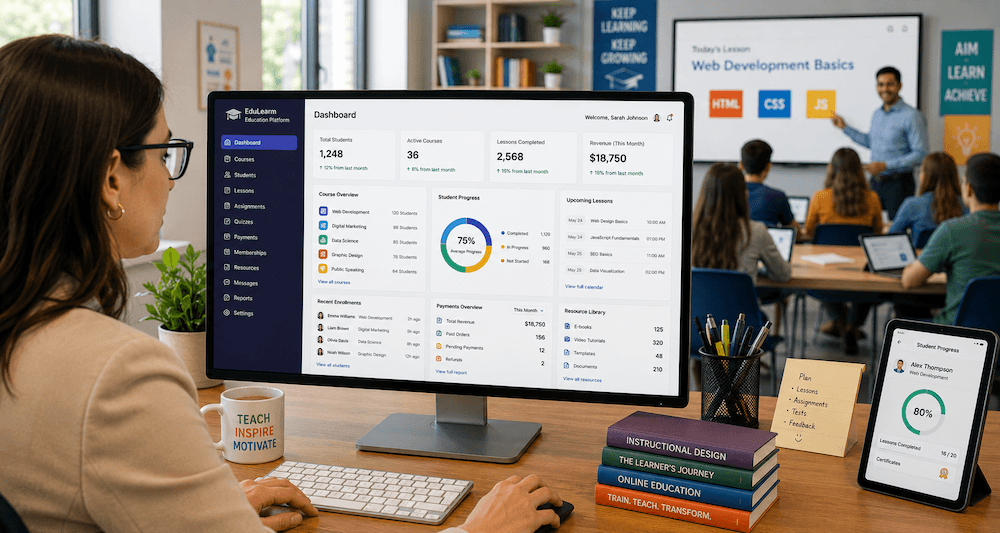
Education and Training Software
Schools, tutors, coaches, and training companies may need courses, student portals, lesson dashboards, payments, membership access, learning progress, and resource libraries.
Education and training providers may be interested in:
Industries We Work With
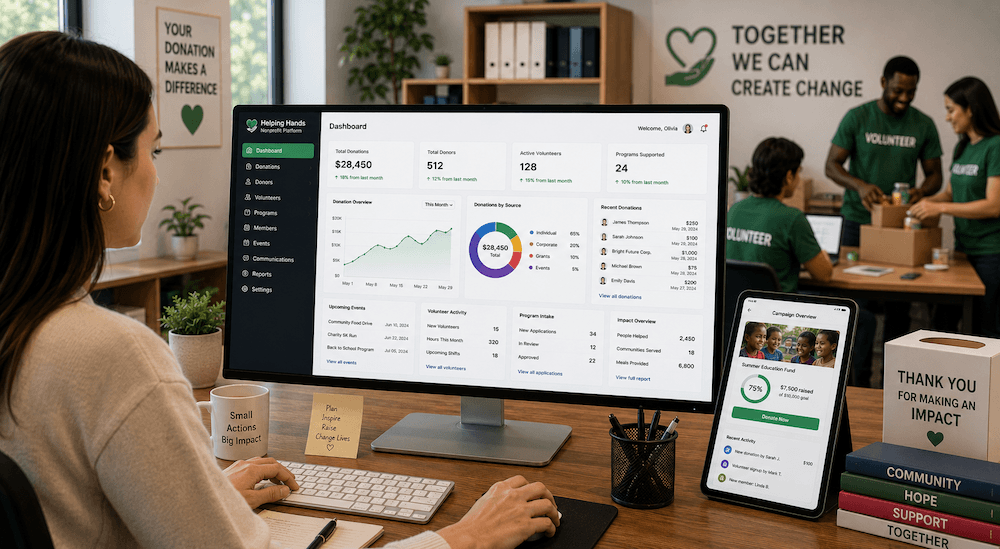
Nonprofit and Charity Software
Nonprofits and charities may need donation tracking, volunteer management, program intake, member records, events, email updates, and reporting for community impact.
Nonprofit teams may explore software such as:
Industries We Work With
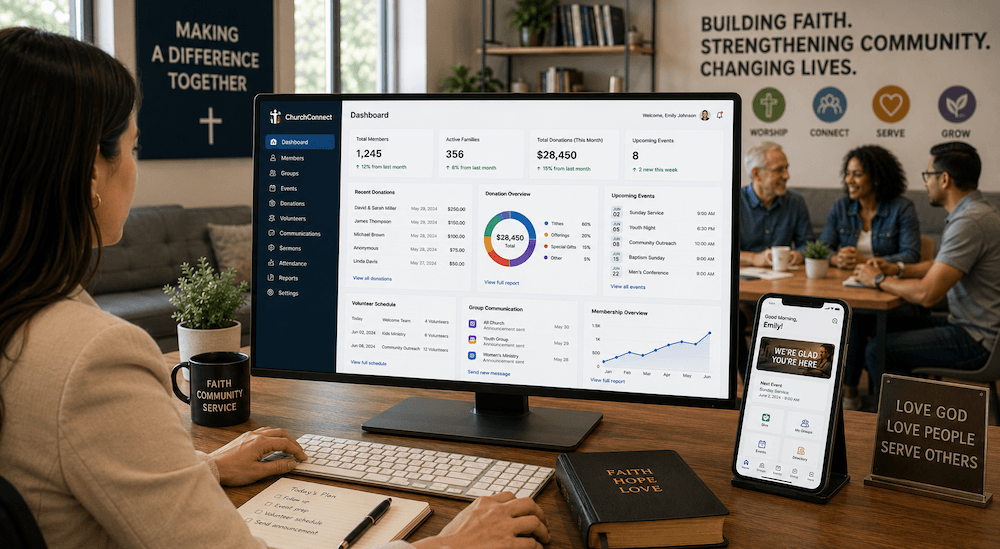
Church and Community Organization Software
Churches and community organizations may need member management, event registration, donation records, volunteer scheduling, announcements, and group communication.
Churches and community organizations may need systems like:
Industries We Work With
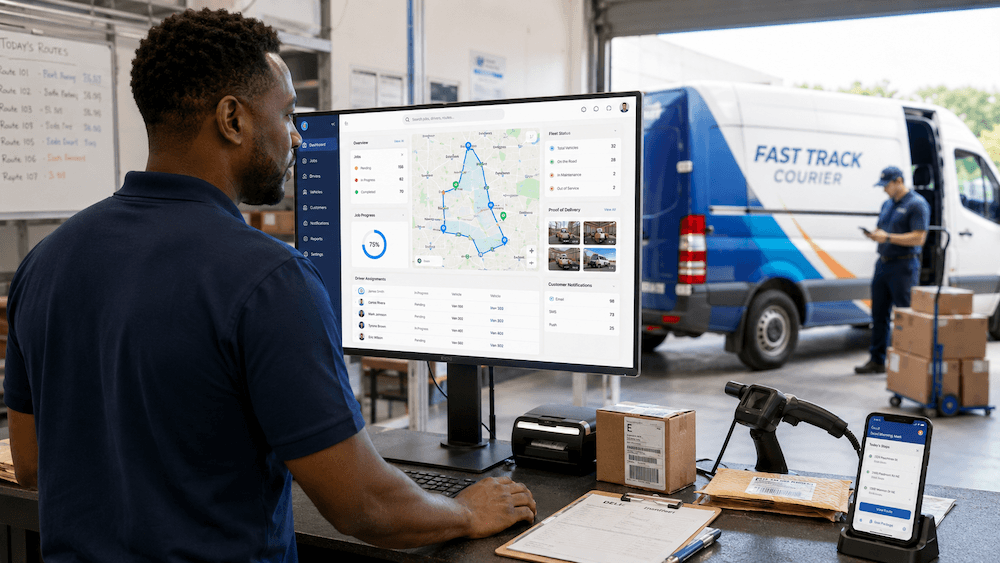
Logistics, Delivery, and Fleet Software
Delivery companies, logistics teams, and courier businesses may need dispatch, driver apps, route tracking, fleet records, job status updates, proof of delivery, and customer notifications.
Logistics and delivery companies may be interested in:
Industries We Work With
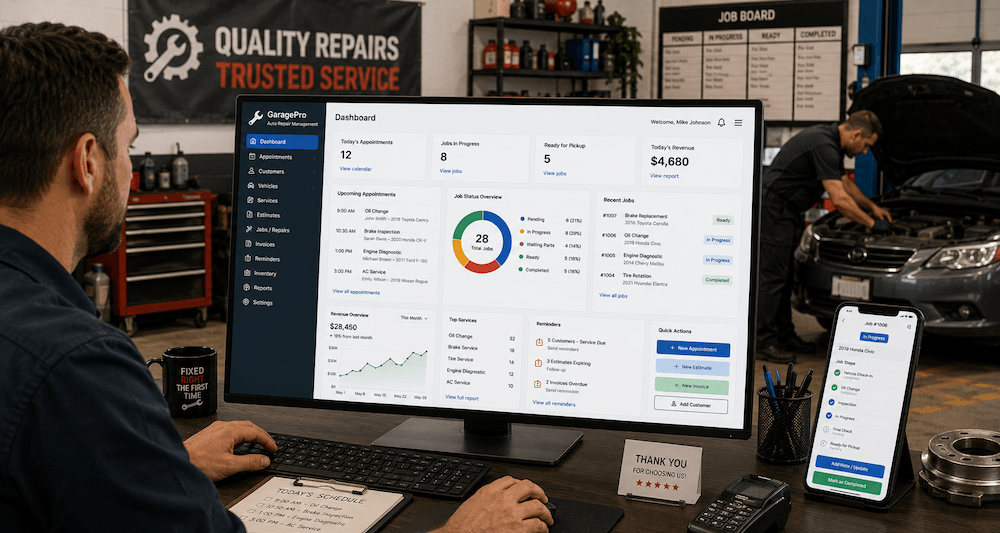
Auto Repair and Mechanic Software
Auto repair shops and mechanics may need service booking, vehicle records, repair status, estimates, invoices, customer reminders, and garage management workflows.
Auto repair teams may compare software such as:
Industries We Work With
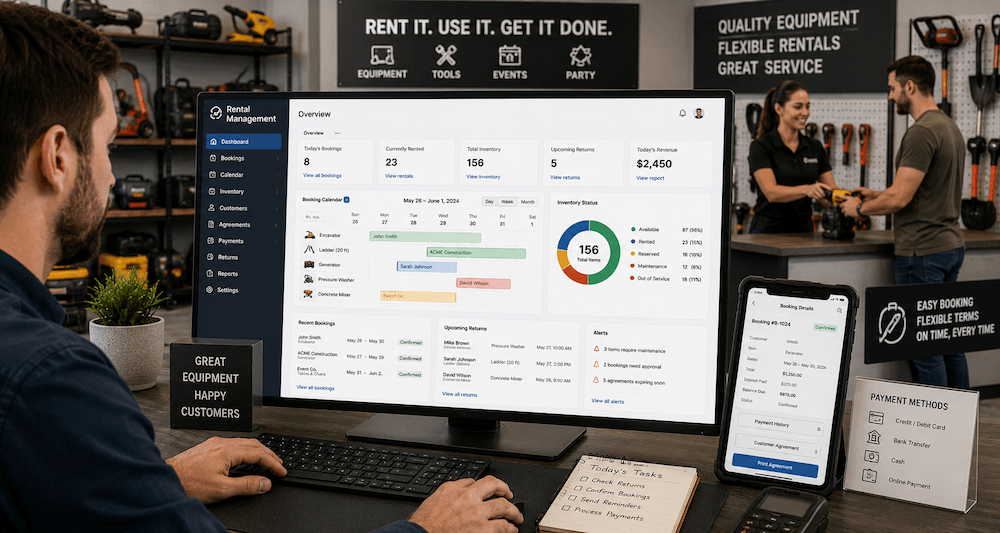
Rental Business Software
Rental businesses may need inventory availability, booking calendars, deposits, returns, equipment records, customer agreements, and payment workflows.
Rental businesses may need systems like:
Industries We Work With
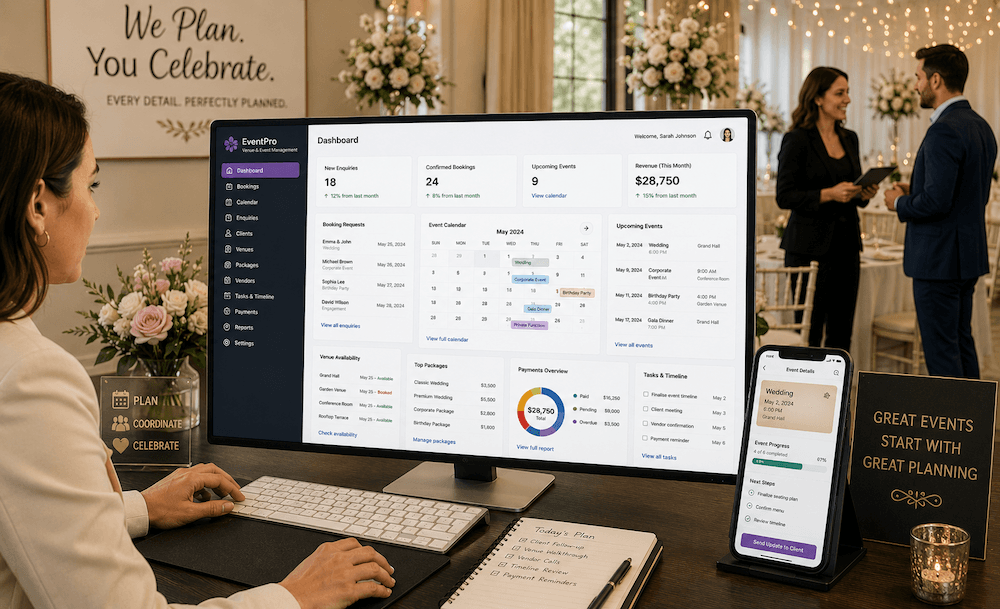
Event Planner and Venue Software
Event planners and venues may need booking requests, event calendars, venue availability, packages, client communication, deposits, timelines, and vendor coordination.
Event and venue teams may be interested in:
Industries We Work With
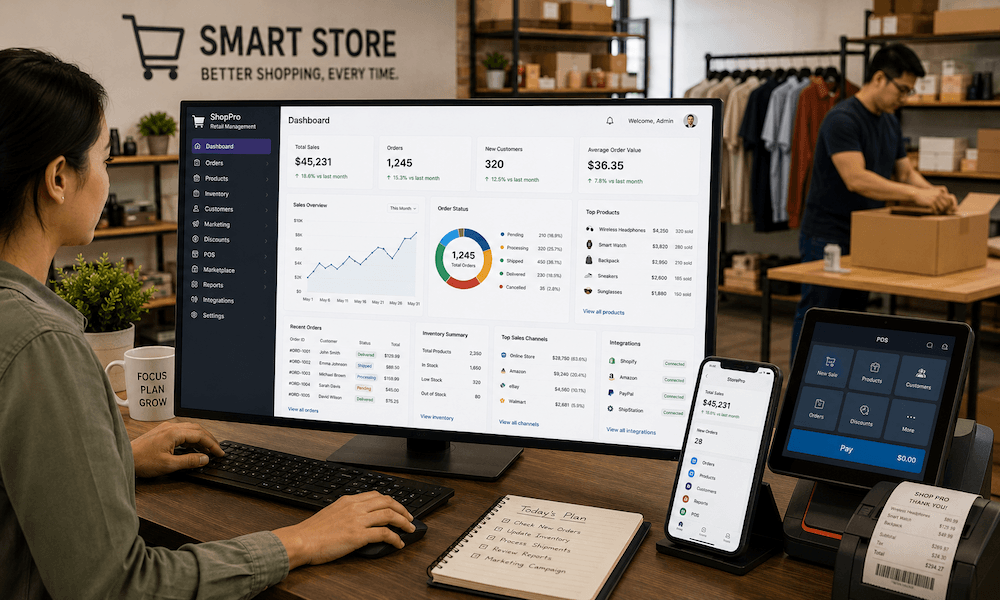
eCommerce and Retail Software
Retail and eCommerce businesses may need inventory, orders, product catalogs, marketplaces, point-of-sale workflows, customer accounts, reporting, and fulfillment integrations.
Retail and eCommerce businesses may explore systems such as:
Development Foundation
The Logic Behind the Software We Build
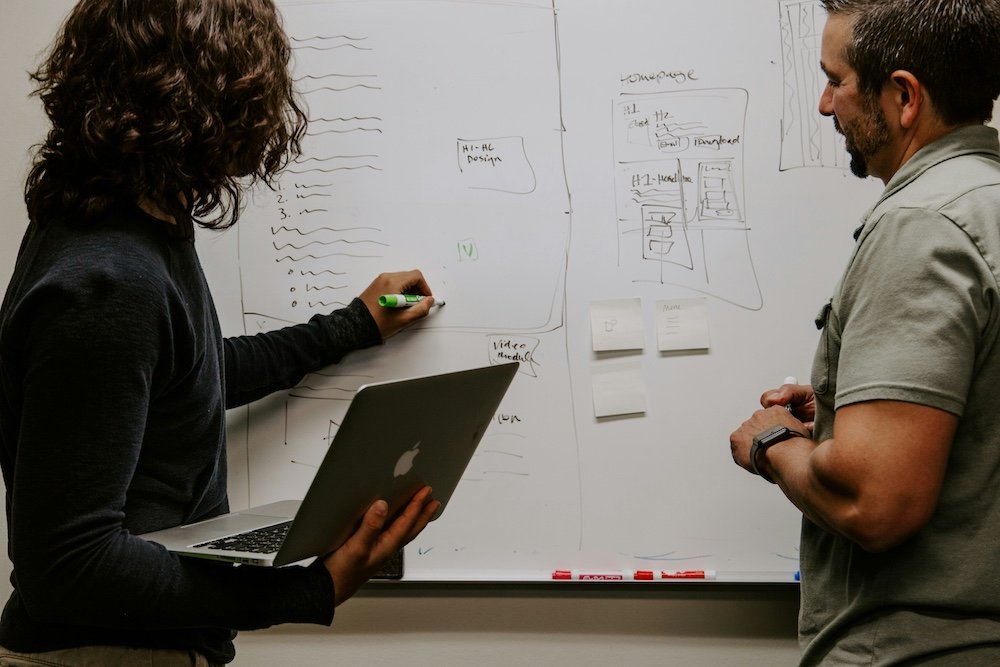
Before software is built, we map the business rules, user roles, data flow, permissions, automation logic, and integrations that make the system work. This is where the real system direction is decided: what each user can do, how data moves, which tools connect, and where automation should remove manual work.
Technology and Integrations
The Stack Should Serve the Business Goal
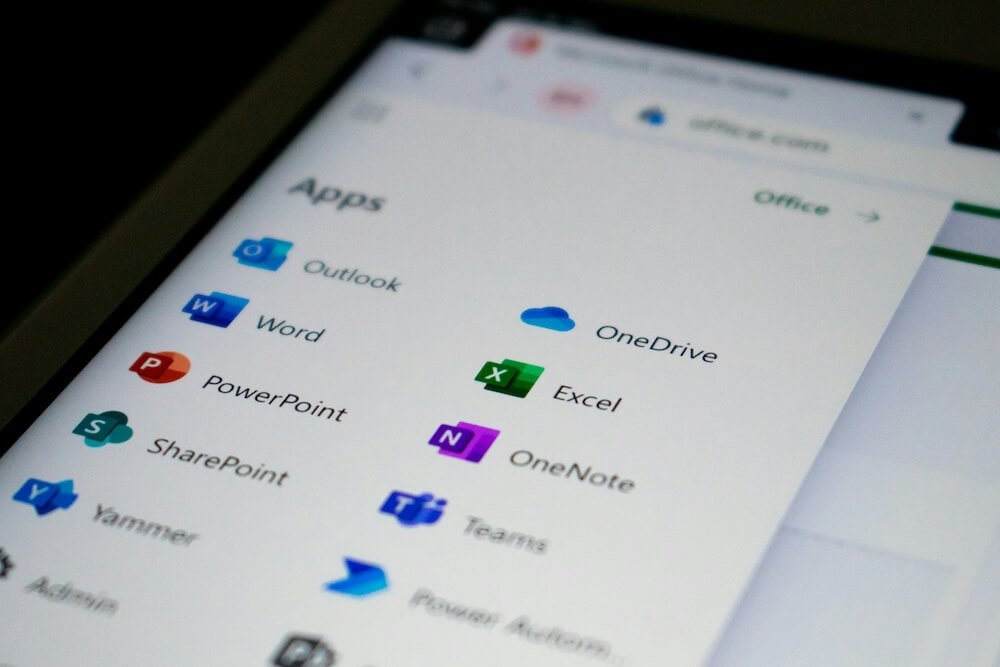
The right technology depends on the users, budget, timeline, integrations, hosting needs, and long-term maintenance plan. Projects may involve React, JavaScript, TypeScript, Node.js, PHP, Laravel, WordPress-connected systems, Supabase, PostgreSQL, MySQL, REST APIs, Stripe, CRM integrations, automation platforms, and cloud deployment support.
For software connected to a website, we can also coordinate with website development, business automation, and hosting setup.
Estimated Pricing
Software Development Pricing by Build Level
Software pricing depends on what the system needs to do, how many people will use it, what tools it must connect with, and how much planning, security, testing, and support the project requires. These price ranges give you a practical starting point before a detailed proposal.
Internal Business Tools
$3,500 – $10,000 CADBest for businesses that need one focused tool to organize tasks, leads, forms, reports, staff work, or a repeated internal workflow.
- Simple dashboards, forms, and admin views
- Lead, task, file, or report tracking
- Small database and workflow setup
Custom Web Apps & Operational Platforms
$10,000 – $25,000+ CADBest for companies that need a secure online platform with accounts, dashboards, portals, bookings, payments, integrations, or connected operational workflows.
- User roles, permissions, and secure login
- Portal, booking, operations, or dashboard workflows
- API, payment, analytics, and automation connections
Full SaaS MVPs & Marketplaces
$25,000 – $50,000+ CADBest for founders and companies building a software product, subscription platform, marketplace, multi-user portal, or larger system that needs phased development.
- SaaS MVP scope, onboarding, billing, and dashboards
- Vendor, customer, provider, or admin platform flows
- More planning for security, testing, launch, and support
Deployment and Hosting
Where Your Software Can Live After It Is Built
Our service does not stop at development. We provide consultation for the right access controls, backup setup, deployment direction, and support plan that matches how the business uses the system. Depending on the project, your software can be prepared for AWS, cloud deployment, VPS, or managed cloud server, private server infrastructure, or an on-premise environment when your business needs tighter internal access. The launch plan can also include staging, uptime monitoring, maintenance support, and recovery planning so the system is easier to manage after real users start depending on it.
Security Features Planned Around Real Business Use
Security should be planned before people start using the system, not patched in after problems appear. Depending on the project, we can help plan user roles and permissions, login protection, private dashboards, data access rules, backup and recovery planning, SSL/TLS setup, activity visibility, update planning, and ongoing maintenance support. The goal is to give the business a system that is easier to control, easier to recover, and easier to support as more users, data, and workflows are added.
Why Supreme Line
Your Custom Software Development Partner in Toronto, the GTA, and Niagara
Businesses searching for a software developer, custom software developer, or software development company usually need more than code. We help turn unclear software ideas into practical build plans by connecting workflow strategy, UX/UI design, business logic, security planning, integrations, testing, launch, and support so the system can work inside the real business.
Software Development Partner
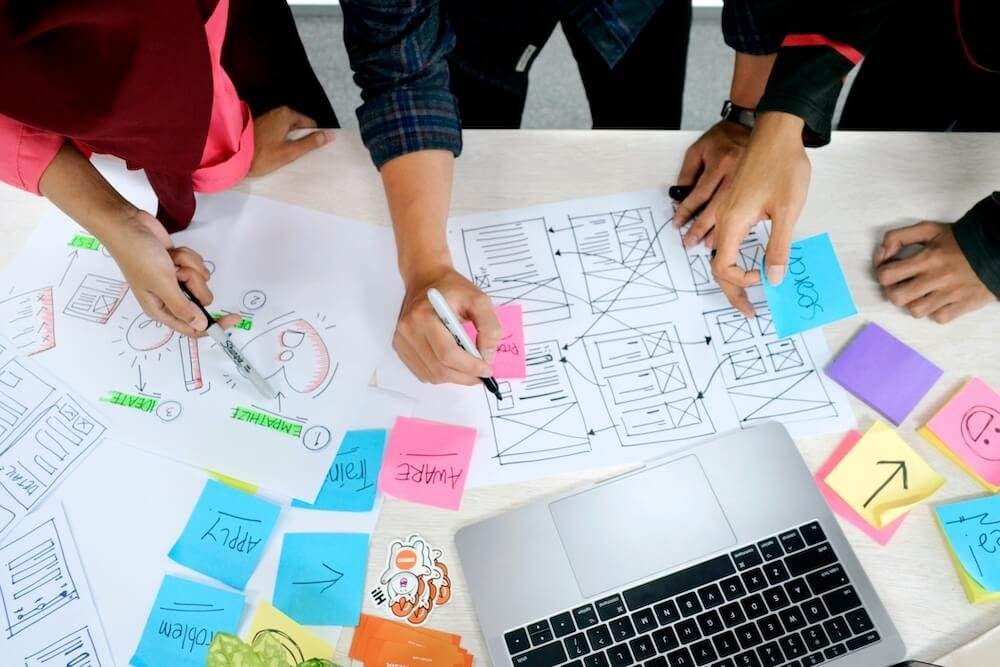
Supreme Line helps turn the business problem into a clear software plan before the build starts. We guide scope, UX/UI planning, development, testing, launch, and support so your company is not left trying to manage a technical project alone.
UX/UI Product Planning
Software has to feel usable for the people who depend on it every day. We plan dashboards, portals, forms, booking flows, customer actions, and staff workflows with UX/UI design thinking so the system is easier to understand, easier to train, and easier to use.
Security and Access Planning
Security should be part of the plan before real users and real data enter the system. Supreme Line can help plan user roles, permissions, login flow, private dashboards, data access rules, backup and recovery, and maintenance support around how your team works.
Business Logic and Algorithms
The value of custom software is often in the rules behind the screen. We plan business logic, matching rules, booking rules, pricing rules, reporting logic, automation triggers, workflow steps, and algorithms that help the software support real decisions instead of becoming another generic tool.
Specialist Developer Collaboration
Some projects need deeper specialization across databases, mobile apps, cloud infrastructure, security, or integrations. Supreme Line keeps the business goal clear while coordinating the right technical direction for mobile app development, API and database work, and advanced platform needs.
Connected Business Systems
We do not want your software to become another disconnected tool. Supreme Line can connect software with your website, Customer Relationship Management (CRM), automation, analytics, hosting, email, AI tools, and marketing systems so it supports how your business grows.
Next Step
Ready to Build Software That Fits Your Business?
Whether your business needs an internal business tool, a custom web application with connected operational workflows, or a SaaS MVP or marketplace platform, we help you plan the right system around your real workflow.

Blog And Insights
Software Development Guides for Business Owners
Related articles for businesses comparing custom software, Customer Relationship Management (CRM), web applications, SaaS MVPs, automation, security, and better ways to manage daily operations.
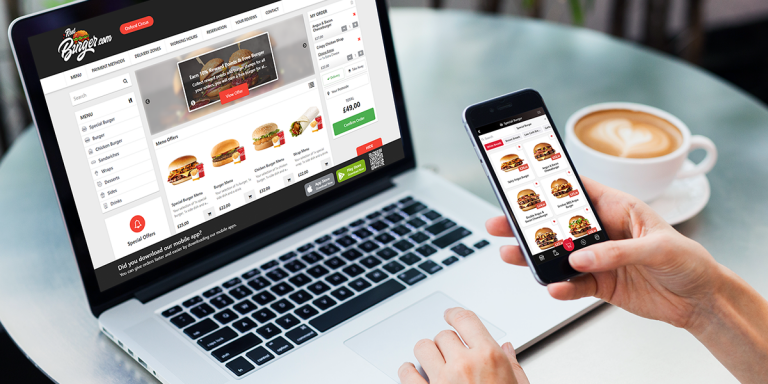
How to Build a Restaurant Website That Attracts Customers and Drives More Orders
A restaurant website should do more than just exist online. It should make people hungry, help them find what they need quickly, and guide…
Niagara Best Website Designer In 2026 For Businesses
Why we ‘re Niagara Best Website Designers Our proven strategy helps businesses in Niagara, St. Catharines, Niagara Falls, Thorold, and Welland get more attention…

Professional WordPress Website Design Company Serving Toronto and Beyond
WordPress Website Design Company Serving Toronto and Beyond Looking for a professional WordPress website design company in Toronto or across Canada? At Supreme Line,…
FAQs
Software Development FAQs
What does a software development company do?
A software development company plans, designs, builds, tests, launches, and supports digital systems that solve business problems. That can include internal tools, web applications, Android app development, iOS app development, Customer Relationship Management (CRM) systems, client portals, dashboards, SaaS products, marketplaces, APIs, databases, automation, and integrations.
How do I know if my business needs custom software?
Your business may need custom software if you or your team use separate apps for different tasks, pay heavily for monthly software subscriptions, or keep forcing the business to work around tools that do not fit. Supreme Line builds software around your company activities, workflows, users, data, and daily operations instead of forcing everything into generic subscription software.
What types of software can Supreme Line build?
Supreme Line builds custom internal business tools, custom web applications, Customer Relationship Management (CRM) systems, customer management systems, SaaS MVPs, marketplace platforms, online store systems, inventory management systems, booking systems, membership systems, accounting systems, school and college management systems, hospital and clinic systems, hotel systems, restaurant and food management systems, event systems, real estate and realtor management systems, and local business systems for salons, barbers, locksmiths, contractors, handymen, gyms, cleaning companies, dental offices, and service teams. Projects can include dashboards, portals, payment flows, databases, API integrations, automation, AI-powered features, third-party tools, websites, and data-center or cloud-connected systems.
Can Supreme Line build AI-powered software for business automation?
Yes. Supreme Line can build AI-powered software, AI agents, and AI-powered tools for customer support automation, marketing automation, lead routing, internal task management, content assistance, follow-up automation, reporting support, and smarter business operations. Depending on access and project scope, an AI agent can be trained around your business model and connected to approved systems so it can help manage tasks based on requests, workflows, and permissions.
Can Supreme Line build a SaaS MVP or web application?
Yes. Supreme Line can build SaaS MVPs and custom web applications with user accounts, dashboards, subscriptions, billing, admin controls, onboarding, customer workflows, database structure, support systems, monitoring systems, user logs, analytics, third-party APIs, Stripe payments, Google APIs, invoices, activity history, login security, location verification, authentication, and admin monitoring. We can also plan multi-role SaaS platforms with several user permission levels, such as a taxi booking SaaS with driver accounts, customer accounts, taxi company accounts, SaaS admin accounts, and employee/admin backends, then organize the build into a phased launch roadmap.
Can Supreme Line build a custom CRM, client portal, or admin dashboard?
Yes. Supreme Line can build custom Customer Relationship Management (CRM) systems, client portals, and admin dashboards with lead tracking, customer profiles, secure logins, file uploads, requests, bookings, payments, reporting, team management, invoices, subscriptions, e-invoices, credit notes, contracts, support tickets, email-to-ticket workflows, knowledge bases, client collaboration areas, organized file folders, notifications, and payment options such as Stripe, PayPal, Paytm, or cash/manual payment tracking. The goal is to give your business one system where staff and clients can manage work, communication, files, payments, and support more clearly.
How much does custom software development cost in Canada?
Custom software development cost in Canada depends on project scope, users, features, integrations, database complexity, security needs, testing, timeline, and support. Internal tools may start around $3,500 CAD, custom web applications and operational platforms often start around $10,000 CAD, and SaaS MVPs or marketplaces often start around $25,000 CAD.
How long does it take to build custom software?
Timeline depends on the specification, workflow, users, integrations, and security requirements. A focused management system, such as project management, invoice management, company log management, or a small internal workflow tool, can sometimes take Supreme Line around 3 weeks of development. A Customer Relationship Management (CRM) system usually takes longer because it can combine lead tracking, customer profiles, staff access, portals, reporting, payments, support, automation, and security inside one environment; these projects may start around 6 weeks and increase based on complexity. A more advanced Software as a Service (SaaS) MVP or marketplace platform, built to be sold or rented to other companies with customer, employee, admin, super admin, portal, billing, and multi-role features, may start around 3 months for a minimum viable product.
How do I choose the right software development company?
Many software companies can build similar systems, but the right partner should prove they understand your business before development starts. What sets us apart is that we begin by reviewing your project scope, goals, and required features. We gather these details through discovery meetings, our custom online quote form, RFQs submitted through B2B marketplaces and tender portals, or direct inquiries. From there, we prepare a detailed proposal that explains the project structure, planned features, core technology, timeline, optional add-ons, and investment range. This gives you a clear view of what will be built, how it will be implemented, and why the solution fits your business before you commit to the project.
Can custom software connect with my existing tools, website, CRM, or payment system?
Yes. Custom software can often connect with websites, CRMs, payment systems, booking tools, email platforms, analytics, databases, APIs, cloud tools, and automation workflows. The exact integration plan depends on the tools, access, documentation, and business process.
Is custom software better than using ready-made software?
It depends on how the business uses the software, the subscription plan, and how well the ready-made tool fits the workflow. Ready-made software can be a good short-term fit when the business process is simple and the tool already does what you need. Over time, monthly subscriptions, user limits, feature restrictions, add-on fees, and disconnected tools can become expensive or limiting. Custom software makes more sense when the business needs specific logic, user roles, dashboards, integrations, automation, reporting, ownership, backups, customer-facing features, and the freedom to customize or expand the system. You still need hosting, maintenance, and support, but the system can be built around your business instead of forcing your business around a subscription tool.
Does Supreme Line provide software maintenance after launch?
Yes. Software maintenance can include bug fixes, updates, security reviews, backups, performance checks, hosting support, new feature planning, integration updates, and ongoing improvement after real users start using the system.
Can software development be done in phases?
Yes. Phased software development is often the best approach when the project has multiple features, users, integrations, or business workflows. At Supreme Line, the development phases are usually outlined in the proposal so the client understands what will be planned, designed, developed, tested, reviewed, and approved at each stage. This keeps the project clearer, reduces confusion, and helps the business launch the most important features first before adding more dashboards, integrations, automation, AI tools, or mobile app support.
What is the first step to start a software development project with Supreme Line?
The first step is to book a software consultation, call Supreme Line at +1 365-880-4915, email support@supremelineinc.com, or request a project proposal with the details of the software you need. A representative can help set up a meeting to understand your company, the benefit of the software, the business logic, the workflow, and how the system should help your operations. From there, we review your business problem and structure a proposal that confirms our understanding of the project, outlines the development direction, and gives the client a clearer review and approval path before buildout.